Dental Bone Graft Post-Op Instructions: A Comprehensive Guide
Navigating recovery after a dental bone graft requires diligent care and understanding. This guide offers essential instructions, covering immediate steps through long-term healing,
ensuring optimal results and minimizing complications. Recovery timelines vary based on individual factors and the graft’s extent.
Initial 24-48 Hours: Immediate Post-Op Care
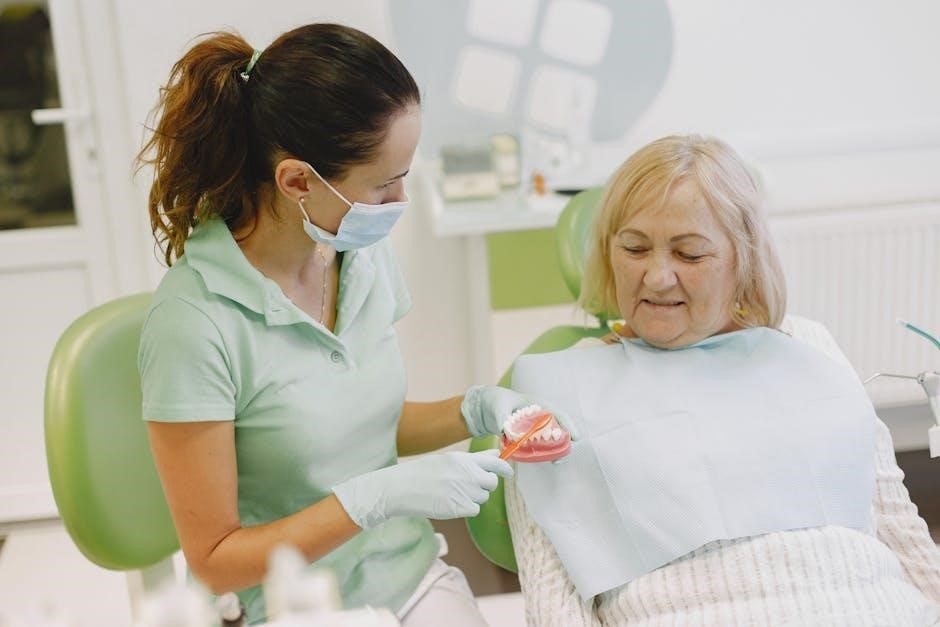
The first 24-48 hours are crucial for initiating proper healing. Immediately following your dental bone graft, apply firm, consistent pressure to the surgical site using gauze provided by your surgeon. Change the gauze every 30-60 minutes, or as directed, until bleeding subsides.
Rest is paramount; avoid strenuous activity. Limit your movements and prioritize relaxation to allow your body to focus on healing. Ice packs applied to the cheek in 20-minute intervals (20 minutes on, 20 minutes off) will significantly minimize swelling and discomfort.
Strictly adhere to a liquid diet during this period. Avoid any solid foods or anything requiring chewing. Ensure adequate hydration by sipping water frequently, but avoid using straws, as the sucking motion can disrupt clot formation. Follow all medication instructions provided by your oral surgeon diligently.
Bleeding Management
Some bleeding is normal after a dental bone graft, but excessive bleeding requires attention. Apply firm, consistent pressure to the surgical site with sterile gauze for 30-60 minutes. If bleeding persists, replace the gauze; do not remove a clot that has formed.
Avoid spitting, rinsing vigorously, or using straws, as these actions can dislodge the forming blood clot, leading to prolonged bleeding and potentially delaying healing. A moistened tea bag (black tea contains tannic acid, which aids clotting) can be gently applied to the site if gauze isn’t sufficient.
If bleeding continues unabated after several attempts at pressure control, or if you experience significant blood loss, contact your oral surgeon immediately. Minor oozing is expected for up to 24 hours, but heavy, continuous bleeding is not. Keep your head elevated to minimize blood flow to the area.
Swelling Control
Post-operative swelling is a common and expected response to dental bone graft surgery. Applying ice packs to the outside of your cheek in 20-minute intervals (20 minutes on, 20 minutes off) during the first 24-48 hours is crucial. This helps constrict blood vessels and minimize inflammation.
Ensure a protective barrier, like a cloth, is between the ice pack and your skin to prevent discomfort. Elevating your head with extra pillows, even while sleeping, also aids in reducing swelling by promoting fluid drainage.
After 48 hours, swelling may gradually increase before beginning to subside. Continue with ice packs as needed, and consider switching to warm compresses to encourage blood flow and healing. Avoid strenuous activity, as it can exacerbate swelling. Contact your surgeon if swelling is excessive or accompanied by fever.
Pain Management
Managing post-operative pain is a key component of your recovery. Your surgeon will likely prescribe pain medication; take it as directed, even if you feel minimal discomfort initially, to stay ahead of the pain. Do not exceed the prescribed dosage.
Over-the-counter pain relievers, such as ibuprofen or acetaminophen, can be used in conjunction with prescription medication, or as needed once you’ve reduced the prescription dosage, following your surgeon’s guidance.
Applying cold compresses can also help numb the area and reduce pain. Avoid activities that increase pain, and ensure you get adequate rest. If your pain is severe or not controlled by medication, contact your oral surgeon immediately. Report any unusual symptoms or side effects from the medication.
Dietary Restrictions: First Week
Following a soft food diet during the first week is crucial for successful healing. Avoid chewing directly on the surgical site. Stick to liquids and pureed foods like yogurt, smoothies, soup (cooled to lukewarm), and applesauce. Gradually introduce softer foods like mashed potatoes, scrambled eggs, and well-cooked pasta.
Avoid hard, crunchy, sticky, or spicy foods, as these can irritate the surgical area or disrupt the healing process. Do not consume alcohol or carbonated beverages. Ensure adequate hydration by drinking plenty of water.
As you progress, slowly reintroduce more solid foods, monitoring for any discomfort. Listen to your body and avoid anything that causes pain. Proper nutrition supports tissue regeneration and overall recovery.
Oral Hygiene: Gentle Cleaning
Maintaining excellent, yet gentle, oral hygiene is paramount during recovery. For the first 24-48 hours, avoid brushing directly over the graft site. Instead, gently rinse your mouth with a warm salt water solution (1/2 teaspoon salt in 8 ounces of water) after every meal. This helps keep the area clean and prevents infection.
After 48 hours, you can begin to gently brush your teeth, carefully avoiding the surgical site. Use a soft-bristled toothbrush and avoid vigorous scrubbing. Continue the warm salt water rinses as directed by your surgeon.
Avoid mouthwashes containing alcohol, as they can irritate the healing tissues. Proper hygiene minimizes the risk of infection and promotes optimal healing.
Week 1: Early Healing Phase
The first week focuses on managing discomfort and supporting initial healing. Continue soft food consumption, gentle oral care, and adhere to activity restrictions for optimal recovery.
Managing Discomfort
Expect some discomfort during the first few days following your dental bone graft. This is a normal part of the healing process. Your surgeon will likely prescribe pain medication; take it as directed, even if you feel minimal pain, to stay ahead of discomfort.
Over-the-counter pain relievers, such as ibuprofen or acetaminophen, may also be used in conjunction with prescribed medication, but always consult your surgeon first. Applying ice packs to the outside of your cheek in 20-minute intervals (20 minutes on, 20 minutes off) can significantly reduce swelling and alleviate pain.
Avoid strenuous activity, as it can increase blood flow and potentially worsen discomfort. Rest is crucial during this initial phase. If pain becomes severe or is not adequately controlled by medication, contact your oral surgeon immediately. Remember, proactive pain management contributes to a smoother recovery.
Soft Food Diet Continued
Maintaining a soft food diet is paramount during week one, even if initial discomfort lessens. Avoid chewing directly on the grafted site to prevent disruption of the healing bone. Excellent choices include yogurt, applesauce, mashed potatoes, smoothies, and well-cooked, soft pasta.
Gradually introduce slightly more textured foods as tolerated, but continue to avoid hard, crunchy, or chewy items. Ensure all foods are lukewarm or cool, as hot temperatures can increase swelling and discomfort. Hydration is also vital; drink plenty of water throughout the day.
Protein intake is important for healing, so incorporate soft protein sources like scrambled eggs or tofu. Continue to avoid seeds, nuts, and anything that could become lodged in the surgical area. Listen to your body and progress at your own pace, prioritizing the integrity of the bone graft.
Stitch Care & Monitoring
Proper stitch care is crucial for preventing infection and promoting optimal healing. Gently rinse your mouth with a prescribed chlorhexidine mouthwash twice daily, as directed by your surgeon, starting 24 hours post-op. Avoid vigorous brushing directly around the surgical site.
Monitor the stitches for any signs of loosening, excessive redness, or increased pain. A small amount of inflammation is normal, but escalating discomfort warrants a call to your oral surgeon. Do not attempt to remove the stitches yourself; your surgeon will schedule a follow-up appointment for their removal, typically within one to two weeks.
Keep the area clean and dry. Report any unusual discharge or foul odor immediately. Careful monitoring and adherence to your surgeon’s instructions will contribute significantly to a smooth recovery process and successful bone graft integration.
Activity Restrictions
Following surgery, prioritize rest to facilitate healing. For the first 24-48 hours, limit your activities significantly, avoiding strenuous exercise, heavy lifting (over 10-15 pounds), and vigorous physical exertion. These actions can increase blood pressure and potentially disrupt the healing process, leading to bleeding or swelling.
Avoid bending over or lying completely flat, as this can also elevate blood pressure. When resting, keep your head elevated with pillows. Gradually increase your activity level over the following days, as tolerated, but continue to avoid strenuous activities for at least one week, or as advised by your surgeon.
Listen to your body and avoid pushing yourself too hard. Adequate rest is paramount for successful bone graft integration and a comfortable recovery.
Signs of Infection to Watch For
Promptly address any signs of infection to prevent complications. Contact your oral surgeon immediately if you experience increased pain not relieved by medication, or if pain worsens after the initial few days. Noticeable swelling that rapidly increases beyond the expected post-operative swelling is also concerning.
Be vigilant for the presence of pus or discharge from the surgical site, and report any unusual odors. A fever of 100.4°F (38°C) or higher is a significant indicator of potential infection. Redness spreading from the surgical area should also be reported immediately.
Difficulty breathing or swallowing warrants immediate medical attention. Early detection and treatment of infection are crucial for a successful recovery.
Weeks 2-4: Intermediate Healing Phase
During weeks two to four, healing progresses steadily. Continue gentle care, gradually expanding your diet, and maintaining meticulous oral hygiene for optimal bone integration.
Gradual Dietary Progression
As you enter weeks two through four post-op, a careful and gradual return to a more normal diet is crucial. Initially, continue with soft foods, but slowly introduce slightly more textured options. Think of progressing from purees and smoothies to mashed potatoes, scrambled eggs, and well-cooked pasta.
Avoid hard, crunchy, or chewy foods that could disrupt the healing site. Steer clear of anything requiring excessive chewing. Small, frequent meals are preferable to large ones. Continue to avoid spicy or acidic foods, as they can cause irritation.
Pay close attention to how your body responds to each new food introduced. If you experience any discomfort or swelling, revert to a softer diet for a few days. Hydration remains vital; drink plenty of water throughout the day. Remember, patience is key – rushing the process can compromise healing.
Increased Oral Hygiene – Gentle Brushing
During weeks two to four, gently increase your oral hygiene efforts, but with extreme caution. Continue avoiding the surgical site directly. Use a soft-bristled toothbrush and brush other areas of your mouth thoroughly to prevent plaque buildup.
A saltwater rinse (1/2 teaspoon salt in 8 ounces of warm water) several times a day remains essential, especially after meals. This helps keep the area clean and promotes healing. As the graft site heals, you can very gently begin to brush along the edges of the area, avoiding direct pressure.
Avoid vigorous brushing, flossing near the graft, or using oral irrigators until your dentist approves. Monitor for any signs of irritation or bleeding and adjust your technique accordingly. Maintaining excellent hygiene is vital, but prioritize protecting the healing bone graft.
Follow-Up Appointment Scheduling
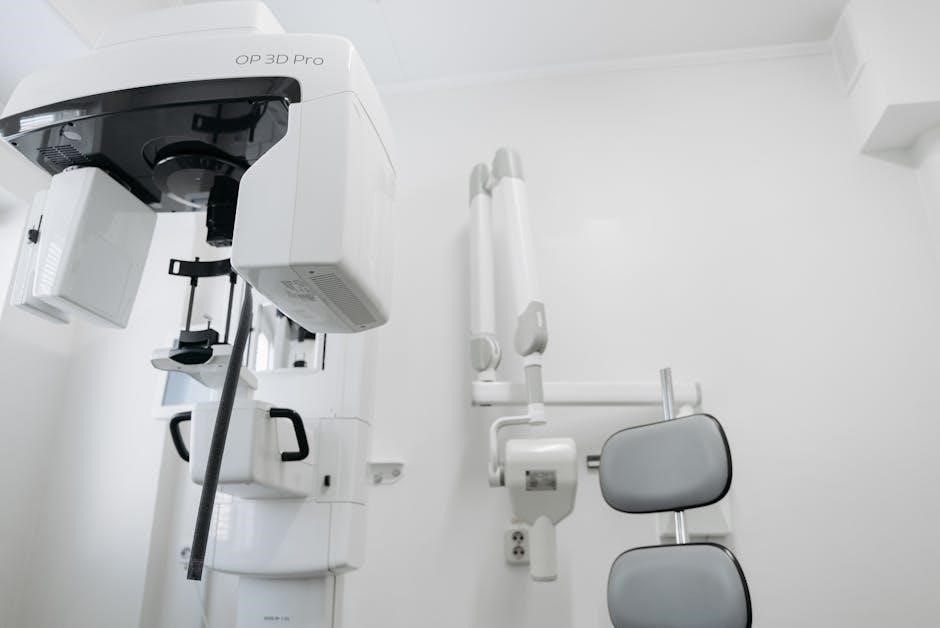
Consistent monitoring is crucial for successful bone graft integration. Your surgeon will schedule follow-up appointments to assess healing progress, typically at intervals of 6-8 weeks, and potentially extending to several months. These appointments involve clinical examinations and often radiographic imaging, like X-rays or CBCT scans.
These images allow the dentist to visualize bone regeneration and ensure the graft material is integrating as expected. Do not hesitate to contact the office if you experience any concerns before your scheduled appointment.

Adhering to the appointment schedule is vital for identifying and addressing any potential complications promptly. The dentist will provide personalized guidance based on your individual healing trajectory and determine when you are ready for subsequent dental procedures, such as implant placement.
Potential Complications & When to Call
While generally safe, dental bone grafting carries potential risks. Infection, characterized by increased pain, swelling, redness, and fever, requires immediate attention. Nerve damage, though rare, can cause numbness or tingling; report this promptly. Sinus communication, following a sinus lift, may occur, necessitating further intervention.
Graft failure, where the bone doesn’t integrate, is also possible, potentially requiring a second grafting procedure. Contact your surgeon immediately if you experience excessive bleeding, uncontrollable pain, pus discharge, or signs of systemic infection.
Don’t ignore persistent discomfort or any unusual symptoms. Early detection and intervention are key to managing complications effectively and ensuring a successful outcome. Always follow your surgeon’s specific instructions and maintain open communication throughout your recovery.
Bone Graft Material Considerations
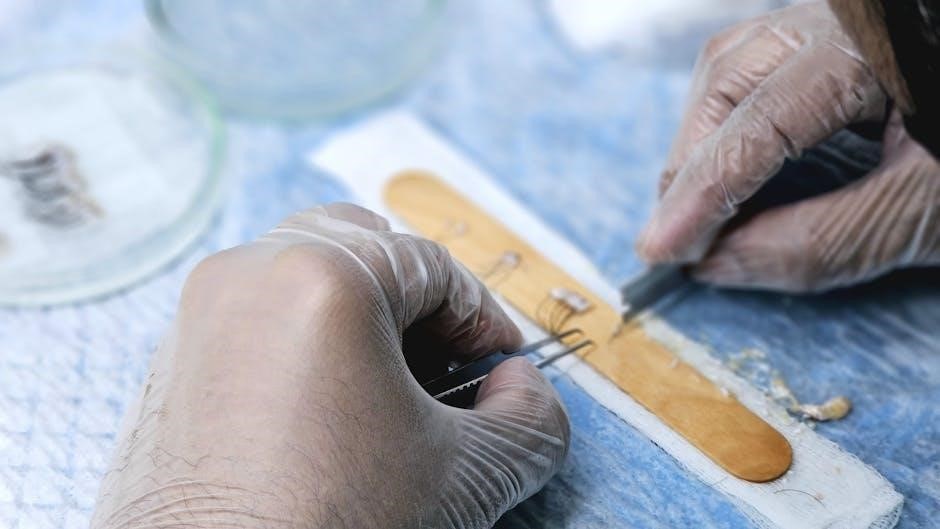
The type of bone graft material influences the healing process. Autogenous grafts, using your own bone, generally have the highest success rate due to biological compatibility. Allografts, from a human donor, are readily available but carry a slight risk of disease transmission, though thoroughly screened.
Xenografts, derived from animal sources (often bovine), are another option, offering good integration potential. Synthetic bone grafts provide a predictable and sterile alternative, though may not integrate as quickly.
Your surgeon will select the most appropriate material based on your specific needs and the extent of bone loss. Understanding the material used helps manage expectations regarding healing time and potential complications. Autogenous tooth bone grafting utilizes extracted tooth material for regeneration.
Months 2-6: Advanced Healing & Integration
During this phase, bone graft integration progresses. Continue dietary considerations and maintain excellent oral hygiene for optimal long-term health and successful implant support.
Continued Dietary Considerations
As you progress through months 2-6 post-graft, dietary adjustments remain crucial for successful bone integration. While you can gradually expand your diet beyond soft foods, prioritize nutrient-rich options that support healing. Avoid excessively hard, crunchy, or chewy foods that could disrupt the graft site.
Continue to incorporate plenty of protein, vitamins (especially Vitamin C and D), and minerals into your meals. These nutrients are vital for bone regeneration and tissue repair. Small, frequent meals are often easier to manage than large ones.
Be mindful of food temperatures, avoiding extremely hot items that could irritate the healing tissues. Gradually reintroduce firmer foods, assessing your comfort level with each addition. If you experience any discomfort or swelling, revert to a softer diet temporarily. Maintaining adequate hydration is also essential throughout the healing process, promoting overall health and supporting tissue regeneration.
Long-Term Oral Hygiene Practices
Establishing consistent, gentle oral hygiene is paramount for the lasting success of your dental bone graft. Continue brushing twice daily with a soft-bristled toothbrush, focusing on all areas of your mouth, but exercising extra caution around the grafted site. Flossing is equally important, but use a gentle technique to avoid disturbing the bone.
Consider using an antimicrobial mouthwash as recommended by your dentist to help control bacteria and maintain a clean oral environment. Regular dental check-ups and professional cleanings are essential for monitoring the graft’s integration and identifying any potential issues early on.
Avoid aggressive brushing or flossing, as this could compromise the healing process. Pay attention to any changes in your gums or teeth and report them to your dentist promptly. A proactive approach to oral hygiene will contribute significantly to the long-term health and stability of your bone graft.
Monitoring Bone Graft Integration
Regular monitoring is crucial to assess the successful integration of your dental bone graft. Your dentist will utilize clinical examinations and radiographic imaging – typically X-rays or CBCT scans – to track the healing process over the months following the procedure. These images reveal the density and volume of the new bone formation.
Initially, the graft material will appear distinct from the surrounding bone, but over time, it should gradually blend and become indistinguishable. The rate of integration varies, with complete consolidation potentially taking several months, even up to six, depending on the graft type and individual healing capacity.
Attend all scheduled follow-up appointments to allow your dentist to evaluate progress and address any concerns; Report any unusual sensations or changes in the area. Successful integration is the foundation for future dental procedures, like implant placement.
Autogenous Bone Graft Healing
Autogenous bone grafts, utilizing your own bone, generally exhibit excellent healing potential. This is because the graft material contains your body’s own cells, promoting faster and more predictable bone regeneration. However, the healing process still requires meticulous post-operative care and patience.
Initially, expect similar post-operative sensations as with other graft types – swelling, discomfort, and potential bruising. The donor site, where bone was harvested, also requires attention and will have its own healing timeline. Following dietary restrictions and maintaining impeccable oral hygiene are paramount.
Bone formation typically begins within weeks, with significant strengthening occurring over several months. Regular follow-up appointments and radiographic evaluations are essential to monitor integration. Autogenous grafts offer a robust foundation for future dental restorations, but adherence to instructions is key.
Ridge Augmentation Healing Timeline
Ridge augmentation, designed to restore lost bone width and height, presents a specific healing trajectory. Expect the initial 24-48 hours to involve swelling and discomfort, managed with prescribed medication and cold compresses. Soft food consumption is crucial during the first week, gradually progressing as tolerated.
Significant bone regeneration typically unfolds over 2 to 6 months, depending on the graft size and individual healing capacity. Initial stability is achieved around 6-8 weeks, but complete integration requires longer. Periodic radiographic assessments monitor bone density and volume.
Avoid placing implants prematurely; allow sufficient bone maturation. Maintaining meticulous oral hygiene is vital throughout the process. Following your surgeon’s specific instructions regarding activity levels and follow-up appointments will optimize the outcome and ensure a successful foundation for future dental work.

Specific Graft Types & Recovery
Different bone graft procedures necessitate tailored recovery approaches. Socket preservation, sinus lifts, lateral, and block grafts each have unique healing timelines and post-operative care protocols for optimal results.
Socket Preservation Graft Recovery
Following a tooth extraction and socket preservation graft, the initial 24-48 hours are crucial. Expect some mild bleeding and swelling, managed with gentle pressure and ice packs. Strict adherence to a soft food diet is paramount, avoiding chewing directly on the grafted site.
Oral hygiene requires extra care; gently rinse with saltwater after meals, but avoid vigorous brushing near the graft. Pain management typically involves over-the-counter analgesics, but follow your surgeon’s specific recommendations.
Over the first week, swelling will gradually subside, and discomfort should lessen. Continue the soft diet and gentle cleaning. Complete healing, while ongoing, typically shows significant progress within 3-4 months, providing a stable foundation for future implant placement. Monitor for any signs of infection, such as increased pain, fever, or pus, and report them immediately.
Sinus Lift Graft Recovery
Recovery from a sinus lift graft demands meticulous post-operative care. Expect more pronounced swelling and potential bruising compared to other grafts, peaking around 72 hours. Avoid blowing your nose forcefully for at least a week, as this can disrupt the graft. Gentle saline nasal rinses, as instructed by your surgeon, are beneficial.
Dietary restrictions are crucial; stick to soft foods for the first week, gradually reintroducing more solid options as comfort allows; Pain management typically involves prescribed medication, alongside over-the-counter options.
Complete healing and bone integration can take 4-6 months or longer. Follow-up appointments are vital to monitor progress. Be vigilant for signs of sinus infection – nasal congestion, facial pain, or fever – and report them promptly;
Lateral Bone Graft Recovery
Recovering from a lateral bone graft requires careful adherence to post-operative instructions. Expect moderate swelling and discomfort in the grafted area, typically managed with prescribed pain medication and cold compresses. Avoid strenuous activity for at least a week to prevent disruption of the graft site.
Dietary restrictions are essential; a soft food diet is recommended for the initial week, gradually progressing to more solid foods as healing advances. Maintaining excellent oral hygiene, but gently, is paramount. Avoid direct contact with the surgical site during brushing.
Full bone integration usually takes several months, often 4-6, necessitating regular follow-up appointments. Watch for signs of infection, such as increased pain, swelling, or pus, and report them immediately to your oral surgeon.
Block Bone Graft Recovery
Recovery following a block bone graft, used for significant ridge augmentation, demands meticulous post-operative care. Expect more pronounced initial swelling and discomfort compared to other graft types, requiring diligent pain management. Strict adherence to activity restrictions is crucial – avoid strenuous exercise and heavy lifting for several weeks.
A soft diet is essential for the first few weeks, gradually introducing firmer foods as healing progresses. Gentle oral hygiene is vital, avoiding direct pressure on the graft site. Your surgeon may prescribe a special mouthwash to maintain cleanliness.
Complete healing and bone integration can take 2 to 6 months, necessitating consistent follow-up appointments to monitor progress. Be vigilant for any signs of infection and promptly report them to your oral surgeon.
Factors Affecting Healing Time
Numerous factors influence the duration of dental bone graft healing. The extent of the initial bone loss and the size of the graft significantly impact recovery timelines; larger grafts naturally require longer to integrate. Individual patient characteristics, such as age and overall health, play a crucial role – younger, healthier patients typically heal faster.
Underlying medical conditions like diabetes or autoimmune diseases can impede healing. Smoking is a major detriment, significantly slowing bone regeneration and increasing complication risks. Adherence to post-operative instructions, including dietary restrictions and oral hygiene, is paramount.
The specific type of graft material used also influences healing speed. Consistent follow-up appointments and proactive management of any complications contribute to optimal outcomes.