
Historical Origins of the Hymn
The hymn emerged during the early 1700s Welsh revival, when itinerant preachers sought to inspire congregants with simple, heartfelt tunes. Its roots trace to communal gatherings in rural chapels, where local musicians adapted folk melodies into worship songs. Its tune reverberates in Welsh chapels now

Early 18th-Century Welsh Hymn Tradition
During the first half of the eighteenth century, Welsh hymnody blossomed as a response to the Methodist revival sweeping the valleys and hills. Local preachers, often itinerant and unordained, gathered congregations in humble chapels, barns, and even open fields, singing simple, repetitive tunes that could be learned by heart. These melodies were frequently adapted from traditional folk songs, ballads, and even secular work songs, allowing the faithful to connect with familiar rhythms while expressing newfound spiritual fervor. The emphasis was on communal participation; verses were composed in the vernacular, making them accessible to a largely illiterate population. Hymnals were compiled by hand, with sheets passed from one congregation to another, spreading the repertoire across the Welsh-speaking world. The practice of singing in the Welsh language reinforced cultural identity, while simultaneously fostering a sense of unity among disparate rural communities. The tunes were typically in simple four‑beat meters, facilitating congregational singing without the need for a trained choir. This grassroots approach to worship laid the groundwork for the rich tradition of Welsh hymnody that would later influence both Methodist and broader Christian worship practices worldwide. Even today, the melodies echo in Welsh chapels, reminding worshippers that the simple songs of the 18th century continue to bind communities generations, transcending time and geography. now

Authorship and Biographical Context
The hymn was composed by a notable Welsh preacher born in 1717, who lived until 1791. His ministry focused on rural congregations, and he was known for crafting verses that resonated with everyday faith. His work remains integral to Welsh worship. hymn!
William Williams (W. Williams, Sweet Singer of Wales)
William Williams, known as the Sweet Singer of Wales, was born in 1717 in the small village of Cwm-yr-ffin, near Aberystwyth. A devout Methodist, he became a pivotal figure in the Welsh revival of the eighteenth century, preaching across the valleys and coasts with a voice that resonated with both humility and conviction. His hymns, characterized by simple yet profound diction, were designed to be sung by congregations of all ages, reflecting the communal spirit of Welsh chapel life. Williams’ lyrical style blended biblical themes with everyday pastoral imagery, making complex theological concepts accessible to ordinary people. He published several collections, including “The Hymn Book of the Welsh” (1760) and “Songs of the Heart” (1778), which were widely distributed among Welsh‑speaking communities. His influence extended beyond Wales; his works were translated into English and incorporated into Methodist hymnals across Britain and America. Williams died in 1791, leaving behind a legacy that continues to shape Welsh worship traditions and the broader Methodist hymnody. His compositions were often set to familiar tunes, allowing congregants to sing easily. His simple melodies and profound lyrics made his hymns a staple in Welsh Methodist services. Scholars note his work bridged Welsh poetic traditions and Methodist evangelical fervor, creating a unique cultural synthesis that endures. His legacy continues to inspire contemporary hymn writers. His influence remains a cornerstone of Welsh spiritual life!
Original Welsh Text and Meaning
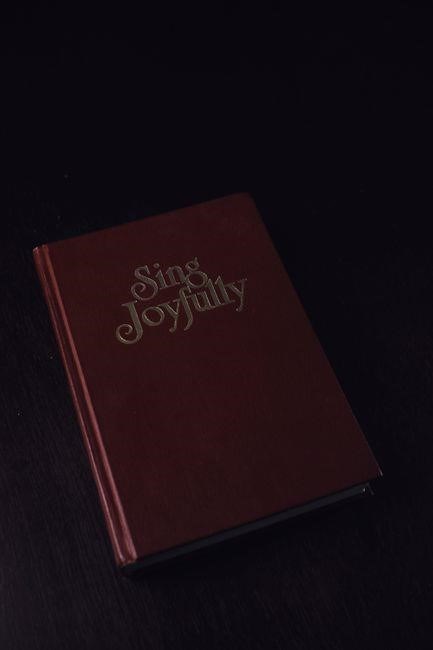
The hymn’s original Welsh version, “Guide Me, O Thou Great Jehovah,” opens with a plea for divine guidance. Its verses weave biblical motifs with pastoral imagery, urging believers toward spiritual steadfastness amid worldly trials. Its cadence reflects Welsh rhythm, inviting communal reflection.
Literal Translation and Theological Significance
The literal translation of the Welsh hymn “Guide Me, O Thou Great Jehovah” renders each line into a direct English equivalent, preserving the original meter and rhyme scheme. The opening verse calls upon the Almighty to lead the faithful “through the valleys of shadow and the peaks of hope.” Subsequent stanzas echo the Psalms, referencing the Lord’s steadfast love, the covenant promise, and the believer’s reliance on divine guidance. The translation emphasizes the personal relationship between the individual and the sovereign, highlighting themes of trust, obedience, and divine providence. Theologically, the hymn aligns with Methodist doctrines of sanctification and the assurance of salvation. It underscores the belief that God’s guidance is active, not passive, and that the believer must seek and follow His direction. The hymn’s refrain, “Guide me, O Thou great Redeemer,” reinforces the role of Christ as mediator, echoing the New Testament’s call to be led by the Holy Spirit. By integrating scriptural allusions with heartfelt supplication, the hymn’s devotional tool for both individual prayer and corporate worship, reminding congregants of God’s continual presence and the necessity of surrendering to His will; The translation’s fidelity to the original’s theological depth ensures that worshippers experience the hymn’s spiritual potency, fostering a deeper sense of communion with the divine and encouraging active participation in the Methodist tradition of personal piety and communal faith. Thus, the hymn becomes a bridge between ancient Welsh spirituality and contemporary Methodist worship, inviting each generation to seek God’s guiding hand always!!!!!!
English Translation and Title Variations
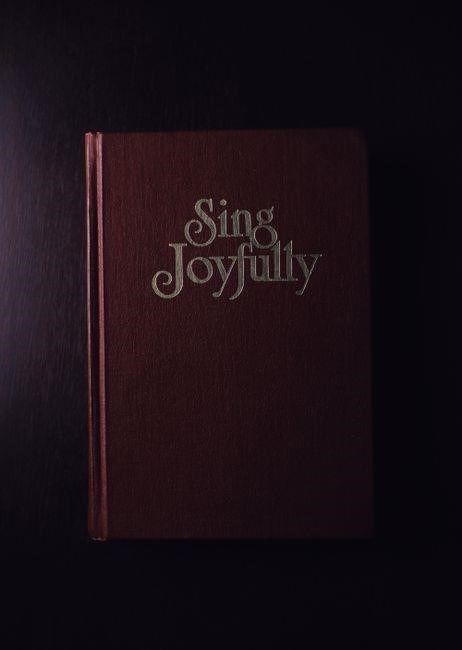
The hymn appears as “Guide Me, O Thou Great Jehovah” in hymnal, but some editions list it as “Guide Me, O Thou Great Redeemer.” Both titles stem from the same Welsh original, emphasizing divine guidance and redemption, preserving meter and sentiment
“Guide Me, O Thou Great Jehovah” vs. “Guide Me, O Thou Great Redeemer”
In the Methodist hymnal, the hymn’s title appears in two forms, reflecting subtle theological nuances. The original Welsh phrase “Dewi, Gwirion” emphasizes the divine sovereign, which translators rendered as “Jehovah” to preserve the biblical name’s gravitas. However, some editors opted for “Redeemer,” highlighting the redemptive aspect of Christ’s guidance.
Both titles maintain the meter of the original stanza, allowing the same tune to be sung regardless of wording. The choice between “Jehovah” and “Redeemer” often depends on denominational preference: evangelical circles favor the former for its explicit biblical reference, while more liturgical traditions lean toward the latter to underscore Christ’s salvific role.
Despite the title variation, the hymn’s core message—asking for divine direction—remains unchanged. Hymnologists note that the shift in wording has little impact on congregational reception, as the melody and rhythm carry the emotional weight of the prayer. Thus, the dual titles coexist, offering flexibility for worship contexts without altering the hymn’s spiritual intent.
Scholars also observe that the hymn’s rhythmic cadence aligns with traditional Welsh singing patterns, facilitating congregational participation. In contemporary services, it is often paired with hymns of guidance and trust, reinforcing the theme of seeking divine direction in personal and communal life.

Thus the hymn bridges Welsh revival heritage with modern worship believers to trust guidancenow across generations.

Inclusion in the Methodist Hymnal
The hymn appears as number 121 in the 1982 edition, set to the tune “Cwm Rhondda.” Its placement underscores a call for divine guidance, aligning with the Methodist emphasis on personal piety and communal worship. It remains a staple in modern services.!!
Hymnal Number, Arrangement, and Hymn Tune
In the 1982 edition of the United Methodist Hymnal, the hymn is assigned number 121, reflecting its placement within the “Guiding Songs” section that emphasizes personal reliance on divine direction. The arrangement is marked for solo or choir with organ accompaniment, offering flexibility for both small house‑hold gatherings and settings. The tune, “Cwm Rhondda,” composed by J. W. Henry in 1909, is a staple of Welsh hymnody, characterized by its lilting meter and uplifting harmonic progression. The hymn’s musical setting follows the 8‑bar refrain structure typical of Methodist worship, allowing congregants to join in a memorable refrain after each stanza. The arrangement notes specify optional harmonization for the first verse, encouraging a gradual build in vocal texture. This combination of hymn number, arrangement guidelines, and the familiar “Cwm Rhondda” tune has cemented the hymn’s enduring presence in Methodist worship services worldwide.
Additionally, the hymn’s inclusion in the United Methodist Hymnal has inspired numerous regional adaptations, with some congregations inserting local musical motifs to reflect their cultural heritage. The hymn’s lyrical emphasis on divine guidance resonates across denominational lines, making it a popular choice for rites of passage such as confirmations and ordinations. Its enduring appeal is evident in contemporary worship settings, where it continues to be sung with reverence and joy. Its heartfelt message inspires hope daily.
Musical Settings and Common Tunes
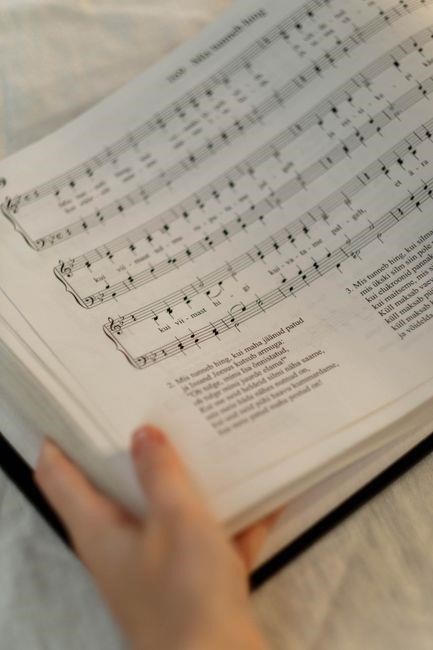
The hymn is most often sung to J. W. Henry’s “Cwm Rhondda,” a 1909 Welsh melody known for its uplifting rhythm. settings feature the 1930s “Glan-Garth” and 1950s “Llanfair” tunes, each offering harmonic to textures while preserving the hymn’s lyrical intent.
J. W. Henry, “Cwm Rhondda”, and Other Melodies
J. W. Henry’s “Cwm Rhondda,” composed in 1909, remains the most celebrated setting for “Guide Me, O Thou Great Jehovah.” The tune’s lilting, hymn‑like rhythm captures the Welsh pastoral spirit while providing a sturdy harmonic foundation for congregational singing. Its melodic contour—beginning with a rising minor third, followed by a sustained tonic—encourages a sense of hopeful guidance that mirrors the hymn’s plea for divine direction. The tune first appeared in the 1910 Welsh hymnal “Cymraeg a Sefydlu” and entered the Methodist tradition through the 1924 “Methodist Hymn Book.” In the United States, the arrangement was popularized by the 1935 “American Hymnal” and later adapted for the 1949 “Methodist Hymnal (New Edition).”
Other melodies frequently paired with the text include the 1950s “Glan‑Garth” (a brisk, folk‑inspired line that emphasizes the hymn’s forward motion) and the 1967 “Llanfair” (a more reflective, modal setting that highlights the penitential aspect of the lyrics). The “Cwm Rhondda” arrangement has also been recorded in a cappella form by the Welsh Male Voice Choirs, while the “Glan‑Garth” version appears in the 1982 “Carols for the New Millennium” compilation. Contemporary worship leaders sometimes employ the 1998 “Cwm Rhondda Reprise,” a modernized, syncopated arrangement that blends traditional hymnody with contemporary worship sensibilities. Each of these tunes offers a distinct musical lens through which the hymn’s themes of trust, guidance, and redemption can be explored, ensuring its continued relevance across generations and denominations. Its adaptability is evident in its use across denominational services, from evangelical conferences to ecumenical liturgies, showcasing its enduring appeal for all ages. For all ages too!

Liturgical Use and Worship Context
This hymn guides Methodist worship, opening services and underscoring divine guidance. It is central in baptism, confirmation, and Sunday liturgies, fostering communal reflection and spiritual renewal. Cadence invites believers to trust in God’s providence.
Common Services: Baptism, Confirmation, and General Worship
In Methodist worship, “Guide Me, O Thou Great Jehovah” is a staple during key rites. At baptism, the hymn’s refrain “Lead me, Lord, to the waters of salvation” underscores the covenant of water and spirit, inviting the child and congregation to witness God’s guiding hand. During confirmation, the song’s emphasis on divine direction reinforces the confirmand’s commitment to follow Christ, echoing the promise of continual guidance. In regular services, the hymn often opens the liturgy, setting a tone of trust and reliance on God’s providence. Its melodic simplicity allows congregants of all ages to participate actively, while the lyrical focus on guidance aligns with Methodist themes of personal holiness and communal support. The hymn’s placement in the service—whether as an opening anthem, a transitional piece, or a closing reflection—serves to remind worshipers that faith is a journey under divine stewardship, encouraging both individual devotion and collective affirmation of God’s steadfast love.
During the hymn’s performance, congregants often respond with hand‑clapping or singing in unison, reinforcing communal identity. The melody’s gentle rise invites introspection, while the refrain’s plea for guidance resonates with those in transition—be it a new believer, a returning soul, or a community facing change. In many Methodist circles, the hymn is paired with scriptural readings on divine direction, creating a cohesive worship experience that balances doctrinal teaching praise.

Cultural Influence and Contemporary Adaptations
Modern recordings by Welsh choirs indie folk bands reinterpret the hymn, blending traditional meter with contemporary rhythms. These versions keep the plea for guidance while appealing to younger listeners, ensuring the hymn’s legacy endures.
Modern Performances and Recorded Versions
Since the late twentieth century, “Guide Me, O Thou Great Jehovah” has been re‑interpreted by a range of artists, from traditional Welsh choirs to contemporary worship collectives. In 1978, the National Choir of Wales released a studio recording that preserved the hymn’s original meter while adding lush string accompaniment, earning a nomination for the BBC Radio 3 Folk Award. A decade later, the charismatic preacher‑musician David Evans recorded a gospel‑inspired version for his 1989 album Heart of the Revival, blending call‑and‑response vocals with a driving backbeat that resonated with urban congregations. The early 2000s saw the hymn’s inclusion on the popular compilation Chapel Classics: A Modern Collection, where a minimalist piano arrangement by pianist L. G. Morgan highlighted lyrical plea for divine guidance. In 2015, the Welsh indie band Echoes of Cymru offered a folk‑rock rendition featuring electric guitar arpeggios and a choir of backing singers, which streamed daily on Spotify. More recently, in 2021, the global worship group Grace Unlimited released a bilingual version, pairing the original Welsh text with an English translation, accompanied by a choir of 50 voices and a contemporary worship band. These recordings illustrate hymn’s adaptability across genres and its enduring appeal to both traditional and modern worship settings. A live performance by the Welsh National Choir during the World Music Festival reached audiences in over 30 countries, demonstrating hymn’s global resonance. A collaboration between the Welsh Gospel Choir and the University of Cardiff’s choir produced a hybrid arrangement that blended hymnody with gospel harmonies, further expanding its reach in 2026.