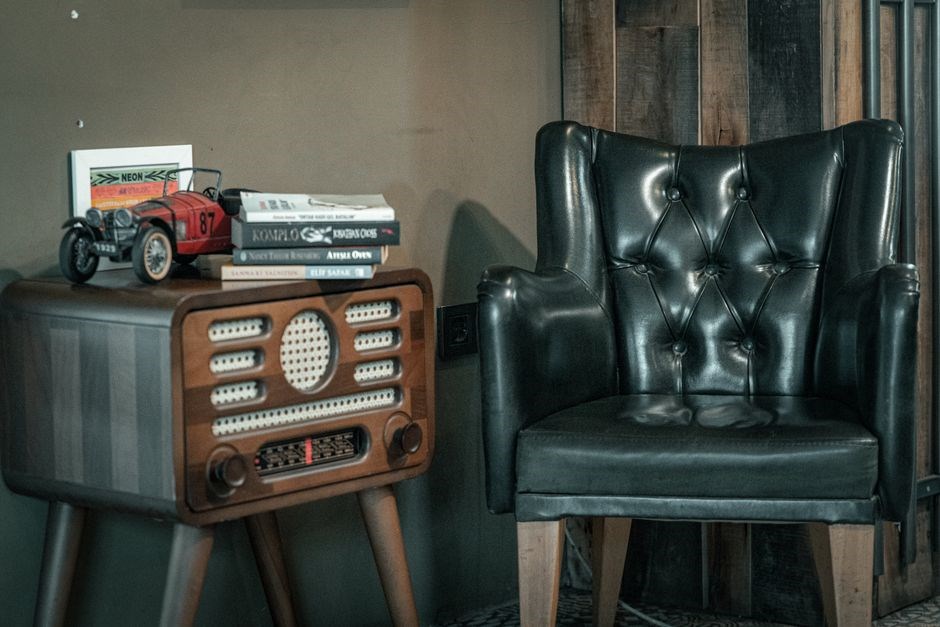
This section sets the stage, outlining why comparing power and manual recliners matters. It highlights key decision points, user needs, and the overall goal of guiding readers toward an informed choice. for comfort seekers and budget buyers today
Purpose of Comparison
The purpose of this comparison is to equip readers with a clear, evidence‑based framework for evaluating the distinct advantages and trade‑offs between power and manual recliners. By systematically examining factors such as ease of use, mechanical complexity, cost implications, and suitability for varying lifestyles, the article aims to demystify the decision process. Readers will gain insight into how each recliner type aligns with specific needs—whether that be accessibility for mobility‑restricted individuals, budget constraints for cost‑conscious households, or long‑term durability for frequent use. The goal is to empower consumers to make an informed, confident choice that balances performance, comfort, and value over the lifespan of the furniture piece. Additionally, the comparison will explore how each recliner type fits into common living spaces, such as living rooms, bedrooms, and assisted‑living areas. The article balances technical details with everyday experience. It also highlights environmental considerations, comparing the energy use of power models with the simplicity of manual mechanisms. The goal is to give readers a clear, actionable framework for aligning their purchase with personal priorities and practical constraints!
Scope of the Article
This article examines the full spectrum of considerations that influence the choice between power and manual recliners. It covers mechanical design, user interface, installation requirements, maintenance routines, and cost trajectories. The discussion includes ergonomic factors such as lumbar support, seat depth, and armrest adjustability, as well as aesthetic compatibility with modern and traditional décor. It also addresses accessibility concerns, exploring how power recliners accommodate users with limited mobility, while manual models offer simplicity for those who prefer tactile control. The scope extends to environmental impact, comparing energy consumption of motorized units versus the zero‑energy operation of manual chairs. Additionally, the article evaluates warranty coverage, parts availability, and typical lifespan, providing a holistic view that balances performance, durability, and price. By the end, readers will understand the trade‑offs and be able to match a recliner type to their lifestyle, space constraints, and budget priorities. Readers will also find guidance on selecting upholstery fabrics, color coordination, and maintenance schedules that complement the recliner’s mechanical design, ensuring long‑term comfort style!

Key Features Comparison
Power recliners offer motorized adjustments, memory presets, and remote control, while manual models rely on lever or foot pedals for reclining. The key differences lie in convenience, speed, and the tactile feel of each system. Enjoy. and relax.
Power Mechanism and Adjustments

Power recliners employ electric motors, gearboxes, and hydraulic systems to deliver smooth, precise reclining motion. Users can adjust seat tilt, footrest elevation, lumbar support, and recline angle via a single remote or wall-mounted control panel. The motor’s torque is calibrated to handle varying loads, ensuring consistent performance across models. Advanced units feature programmable memory presets, allowing the chair to return to a favorite position with a single button press. Some high-end models incorporate microprocessors that monitor user weight distribution, automatically adjusting the recline to maintain optimal ergonomics. The power mechanism also includes safety interlocks that prevent sudden movements, protecting users during rapid transitions. In contrast, manual recliners rely on mechanical levers, foot pedals, or crank handles, requiring physical effort to achieve the desired angle. The adjustment range is typically linear, and the speed of reclining depends on the user’s strength and the chair’s mechanical advantage. While manual systems are simpler and often more affordable, they lack the convenience of instant, effortless positioning. Power mechanisms also allow for integration with smart home ecosystems, and more. Now!

The motor’s torque is calibrated to handle a wide range of body weights, ensuring smooth, effortless reclining for users of all sizes. Integrated sensors detect the seat angle and footrest position, automatically adjusting resistance to maintain optimal posture. Users can program multiple preset positions—such as a relaxed reading angle or a therapeutic recline—by pressing a button on the remote. Firmware updates over the air add new features, improving performance without a technician visit. Its motor delivers quiet, smooth motion for a relaxed experience now.
Manual Operation and Controls
Manual recliners rely on a series of mechanical linkages that translate user input into seat and footrest movement. A foot pedal or hand crank engages a cam system, which rotates a gear train that lifts the backrest and adjusts the recline angle. The user’s effort is proportional to the mechanical advantage provided by the gear ratio; a lower ratio means more force is required to achieve a full recline, while a higher ratio offers smoother motion at the expense of a larger lever arm. Many models incorporate a spring‑loaded return mechanism that automatically brings the chair back to a neutral position when the lever is released, ensuring consistent ergonomics without the need for electronic assistance. The controls are typically located near the seat, within easy reach, and are designed for tactile feedback—clicks or resistance cues inform the user when a preset angle is reached. Some designs feature a dual‑lever system, allowing independent adjustment of the backrest and footrest, which can be fine‑tuned for lumbar support or leg elevation!! However, the physical effort required can be a drawback for individuals with limited strength or mobility, and the lack of programmable presets means each adjustment must be performed manually.

Comfort and Ergonomics
Comfort hinges on cushioning, lumbar support, and seat depth. Power models often feature memory foam and adjustable headrests, while manual chairs rely on dense foam and simple recline angles. Ergonomics vary with armrest width and back contour now!!.

Mattress Quality and Support
Power recliners typically use high‑density memory foam or hybrid gel layers that adapt to body pressure, providing a contour. The ability to lock multiple recline angles lets the foam maintain shape, reducing pressure points over time. In contrast, manual chairs have a single foam density that can compress unevenly when fully reclined often must. Power models also include removable,washable covers that can be replaced with breathable, moisture‑wicking material, improving hygiene and prolonging mattress life. Manual covers are usually standard fabric or leather, less breathable and prone to heat buildup. Mattress durability varies: high‑quality memory foam in power recliners can resist sagging for 7–10 years, while lower‑grade foam in manual models may flatten after 3–5 years. Many power recliners offer a memory feature that remembers the last set angle, allowing consistent support between uses, whereas manual models require manual adjustment each time, potentially leading to inconsistent support if not positioned correctly. Thus, mattress quality and support are critical differentiators that affect long‑term comfort so! and health outcomes for users who spend extended periods seated or reclining.
Seat and Backrest Options
Seat and backrest options in power recliners are highly customizable, offering adjustable lumbar support, headrest height, and armrest positions. Many models feature multi‑position memory foam cushions that lock at preset angles, ensuring consistent comfort across users. The backrest can be raised to a 180° recline or even a full flat position, with integrated footrests that extend automatically. Some power chairs include a built‑in massage system, allowing users to select from heat, vibration, or kneading modes, which can be tailored to specific body zones. The armrests often have removable or adjustable pads, and some models provide cup holders or storage pockets, enhancing convenience. Manual recliners, by contrast, rely on a lever or crank mechanism to shift the seat and backrest. While they can offer reclining angles, a adjustment feels uneven. The seat cushion is typically a single density foam or a layered foam that may compress unevenly when the chair is fully reclined. Overall, power recliners provide superior customization and ease of use for users who value precise comfort settings and additional features such as massage or integrated electronics, whereas manual models appeal to those prioritizing simplicity and budget.!

Maintenance and Durability
Power recliners demand routine motor checks, cushion cleaning, and battery replacement, extending life. Manual models require less tech upkeep, frequent cushion compression and lever lubrication keep them last.
Cleaning and Upkeep Requirements
Power recliners feature motorized components that can accumulate dust in gear housings, wiring, and battery compartments. Regular inspection, gentle vacuuming, and the use of a microfiber cloth help prevent debris buildup. Upholstery should be spot‑cleaned with mild detergent and a soft brush; avoid soaking. The motor assembly requires periodic lubrication with a silicone-based grease, applied sparingly to the pivot points and gear shafts. Battery packs, if removable, should be stored in a cool, dry place and recharged according to manufacturer guidelines. Manual recliners, lacking complex electronics, rely on simple mechanical parts such as levers, springs, and wooden or metal frames. Routine cleaning involves wiping the seat and backrest with a damp cloth, ensuring no moisture enters the hinge mechanisms. The wooden components benefit from occasional oiling with teak oil or a neutral finish to maintain smooth movement. Springs and tension rods should be checked for wear; replace any that show signs of fatigue. Maintaining a clean, dust‑free environment extends the lifespan of both recliners while preserving their aesthetic appeal. Regular lubrication of the motor shaft and inspection of the electrical wiring can preempt mostfailures.!
Longevity and Warranty Considerations
Power recliners incorporate motors, batteries, and electronic controls that can degrade over time. Manufacturers typically offer 5‑to-7-year warranties on motor assemblies and 10-year coverage for frame and upholstery. However, battery life may be limited to 3‑5 years, requiring replacement. Regular maintenance, such as cleaning, lubrication, and timely part swaps, can extend motor longevity. Manual recliners rely on mechanical levers and springs, which generally last longer due to fewer moving parts. Warranties often span 10 to 15 years for the frame and upholstery, with shorter coverage for springs. The absence of electronics reduces failure points, but wear on wooden or metal components can still occur. Users should inspect for cracks, loose joints, and ensure proper lubrication of springs. In both cases, adherence to manufacturer guidelines and routine inspections are key to maximizing lifespan and warranty validity. Owners should also verify that the recliner’s frame is constructed from high‑strength steel or reinforced wood, as this determines resistance to warping over decades. Periodic tightening of all screws and bolts prevents loosening that could compromise safety. Replace battery packs before failure to avoid high repairs
Price, Availability, and Value
Power recliners cost 30% more, yet offer convenience. Manual models are cheaper but require effort. Availability varies: power models appear in premium stores, manual in budget outlets. Value depends on usage. Ideal for tech lovers and home.!!
Initial Purchase Cost vs Long-Term Investment
Power recliners start between $800 and $1,500, while manual models range from $200 to $600. The higher upfront price covers electric motors, remote controls, and premium upholstery. The higher upfront price covers electric motors, remote controls, and premium upholstery. Over time, power models may reduce physical strain, especially for users with mobility issues, translating into fewer injuries and less time repositioning. Many manufacturers offer extended warranties on motors and electronics, potentially lowering repair costs over a decade. Manual recliners, though cheaper initially, can incur higher maintenance if mechanical linkages wear or upholstery degrades. They lack battery or electrical repairs, but may need frequent upholstery replacement. Hidden costs in power models include battery replacement and electrical repairs. The decision hinges on balancing immediate budget constraints against long-term comfort, convenience, and potential future expenses. For budget-conscious buyers, a manual recliner can be sensible; those prioritizing ease of use may find the power model’s upfront investment justified over time. This analysis aids informed purchasing. for all shoppers. Enjoy
After‑Sales Service and Parts Replacement
Power recliners rely on electronic components—motors, remote receivers, and wiring—that may fail after several years of use. Manufacturers typically offer a 5‑year warranty on motors and a 10‑year limited warranty on the frame, covering most repair costs. Parts such as motor assemblies or remote batteries can be ordered directly from the brand’s service center, often at a discount for warranty‑covered repairs. However, if a component is out of warranty, replacement costs can reach $200–$400, and service technicians may charge additional labor fees. In contrast, manual recliners have fewer moving parts, primarily hinges and levers, which rarely require professional repair. Most issues can be fixed with basic tools or a simple replacement of a worn hinge. Replacement parts for manual models are inexpensive, typically under $50, and can be sourced from local furniture stores or online retailers. Service for manual recliners is usually handled by the retailer or a local upholstery shop, with minimal labor costs. Overall, the long‑term maintenance of a power recliner is more complex and potentially more expensive, whereas a manual recliner offers straightforward, low‑cost upkeep. Buyers should weigh the convenience of electric operation against the potential for higher service expenses over the product’s lifespan. Support is solid.

and Recommendation
Final verdict: power recliners deliver effortless comfort but higher upkeep, while manual models offer simplicity and lower long‑term cost. Choose electric for convenience, or manual for budget and durability. Pick the model that matches your daily needs.!
Final Recommendation by Use Case
For families with children or seniors who value ease, the power recliner offers quick, effortless adjustments and built‑in features that enhance comfort. Its motorized recline and lumbar support settings cater to diverse body types, while massage and heat functions add therapeutic benefits. For budget‑conscious buyers or those who prefer a low‑maintenance solution, the manual recliner delivers dependable performance with fewer moving parts, reducing long‑term repair costs. Its simple lever or foot‑pedal operation ensures reliability, making it suitable for everyday use or for users who appreciate a straightforward design. Professionals who spend long hours at a desk may benefit from a power recliner’s ergonomic presets, whereas casual users or those with limited space may opt for a compact manual model that offers essential reclining without extra bulk. Ultimately, the choice depends on the user’s priorities: convenience and advanced features versus affordability and durability.This balanced assessment ensures that each reader can align the recliner choice with lifestyle demands, financial constraints, and ergonomic preferences, ultimately leading to a satisfying purchase decision.today. nowOK